
Loading...
Serving Sun Valley, NV and surrounding areas. (775) 799-2603
Most Sun Valley homes were built with insulation that is now 30 to 50 years old and well below what it takes to handle this climate. We add new insulation where you need it most - without tearing out walls or disrupting your home.
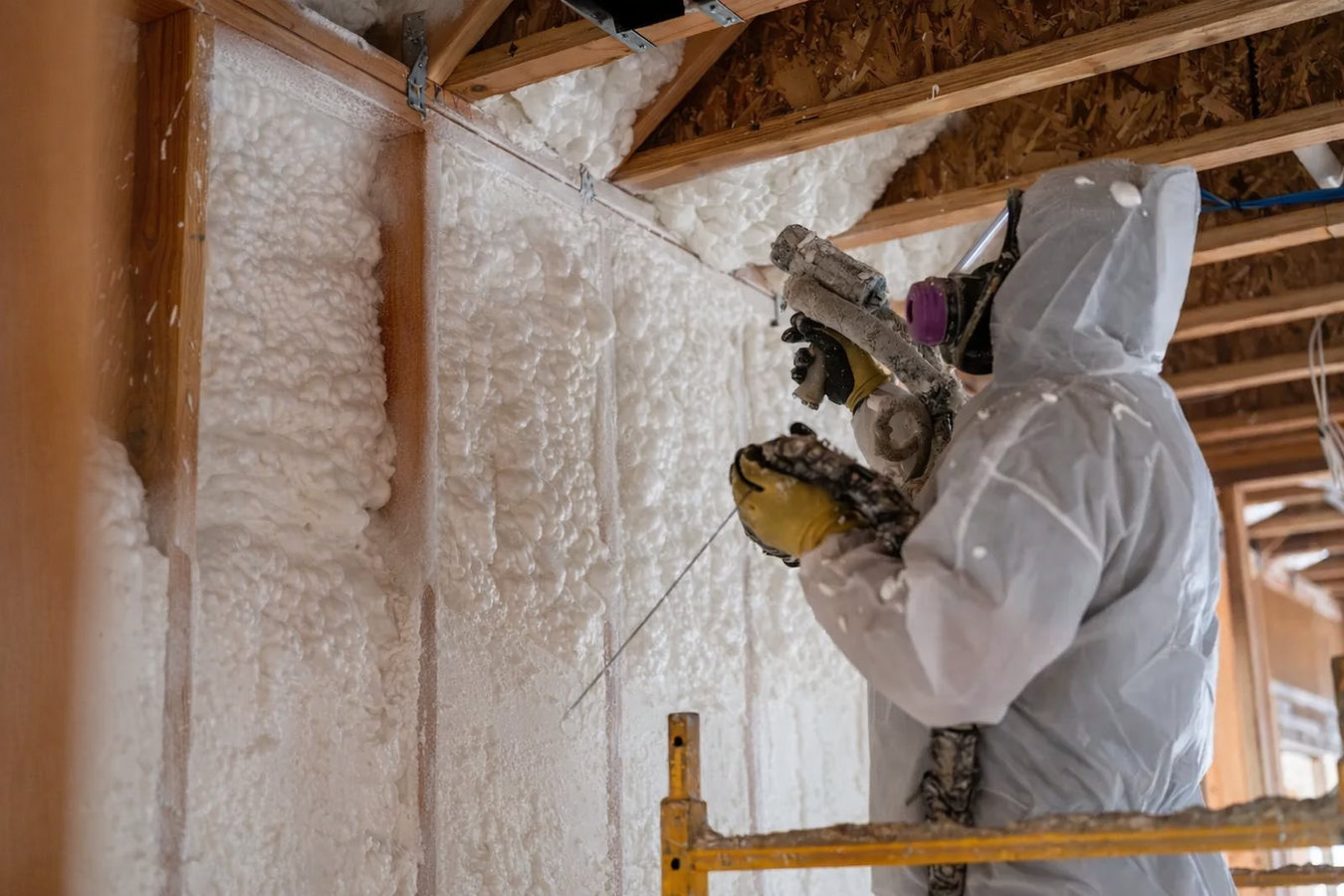
Retrofit insulation in Sun Valley means adding new insulation to a home that is already built - no demolition, no major disruption, no starting from scratch. Contractors blow or roll new material into your attic, walls, or crawl space through existing access points, and most attic jobs on a typical single-family home are done in one to two days.
If your Sun Valley home was built before 1990 and you have never had insulation work done, there is a strong chance the original material has settled, degraded, or was never adequate to begin with. The result shows up as high energy bills, rooms that are always too hot or too cold, and an HVAC system that runs constantly and still cannot keep up. Combining a retrofit with a complete home insulation evaluation ensures nothing is missed and every dollar you spend delivers real comfort.
If your cooling costs in July and August feel out of proportion to what your neighbors pay, or your heating bills in January are hard to justify, your insulation is likely the culprit. Sun Valley temperatures swing from above 95 degrees in summer to below freezing in winter, and a poorly insulated home has to work twice as hard to stay comfortable - and your utility bill shows it.
Walk through your home on a hot afternoon or a cold winter morning and pay attention to which rooms feel different. Rooms directly under the roof or above a crawl space are usually the worst offenders in Sun Valley homes. If one bedroom is always noticeably warmer than the rest of the house, the insulation above or below it has likely failed or was never adequate to begin with.
Hold your hand near an electrical outlet on an exterior wall on a windy day. If you feel air moving, your wall insulation has gaps - or there was never enough there to begin with. This is especially common in older manufactured homes in the Sun Valley area, where wall cavities were often filled with minimal material that has since settled or shifted.
Rodents and insects do not just cause structural damage - they shred, compress, and contaminate insulation, leaving it nearly useless. If you have had any evidence of an infestation, your insulation should be inspected and likely replaced as part of any pest remediation. Contaminated insulation also poses health concerns that go beyond comfort.
Every retrofit starts with a thorough on-site assessment - we measure how much insulation is already there, check its condition, and identify any air sealing that needs to happen before new material goes in. Air sealing is the step most contractors skip, but it is what allows the insulation to perform as intended. If gaps around pipes, wires, and fixtures are not closed first, air still moves freely through them no matter how much insulation is on top. Our most complete projects combine a proper seal with new blown-in coverage, and for homeowners who need more than the attic addressed, we connect attic work to spray foam insulation in wall cavities or rim joist areas where blown-in material may not be the best fit.
We have specific experience with manufactured homes, which make up a meaningful share of Sun Valley housing. These homes require different access points, different materials, and different techniques than site-built houses - and a contractor who has not worked on them before will not know what to look for in the belly board or the roof cavity. Every job ends with written documentation of the coverage depth and areas treated, which you can use for a federal tax credit or NV Energy rebate application.
Best for homes with thin, settled, or degraded attic insulation that is no longer providing meaningful thermal protection.
Right for homes with under-insulated exterior walls - material is blown in through small access holes that are patched on completion.
For single-wide and double-wide homes where the belly, roof cavity, or wall sections need insulation upgraded using techniques specific to manufactured construction.
Ideal for homeowners who want a complete picture of every area that needs attention before committing to any single scope of work.
Sun Valley sits at roughly 4,500 feet in the high desert, where the temperature range between a July afternoon and a January night is one of the most extreme in the region. That range means your insulation is working hard in both directions - holding heat out in summer and holding it in during winter. Most of the homes here were built between the 1960s and the 1990s, when energy codes were far less demanding than they are today. That original insulation - where it still exists - has been settling, compressing, and degrading for 30 to 50 years. Many manufactured homes in the area were built with minimal coverage in the belly and roof cavity that was never adequate for this climate to begin with. Homeowners in Lemmon Valley and Cold Springs face identical housing stock and climate conditions.
The dry high-desert air in Sun Valley is hard on certain insulation materials over time, and the strong seasonal winds that push through the Truckee Meadows can drive cold or hot air through gaps around attic vents and roof penetrations even when the walls are reasonably insulated. A contractor who understands these local conditions will know to address those entry points as part of the retrofit - not just pile new material on top of a problem that is still open at the edges. For guidance on insulation standards and what adequate coverage looks like for your climate zone, the U.S. Department of Energy insulation guide is the most reliable starting point. The North American Insulation Manufacturers Association also maintains a knowledge base on installation best practices.
We will ask about your home type, age, and what has been bothering you - high bills, cold rooms, or drafts. You will hear back within one business day to set up a free assessment. No technical knowledge required before this call.
We go into your attic, crawl space, and check wall areas to measure what insulation is there, assess its condition, and identify any air leaks that need to be addressed before new material goes in. You get a clear picture of what is there now and what needs to change.
Your written quote breaks down each area treated, the materials used, the final depth or coverage targeted, and the total cost. We also tell you whether a permit is required and handle pulling it if so. This is the moment to ask every question you have.
The crew sets up equipment outside and blows new insulation into your attic through the hatch - most homes are done in a day. We provide photos of the finished attic and a written record of the coverage depth so you have documentation for any rebate or tax credit application.
Free estimate. Written quote with every area covered. Call now or fill out the form below.
(775) 799-2603Our experienced crews know when Washoe County requires a building permit for insulation work in Sun Valley. When a permit is needed, we pull it and coordinate the county inspection - you do not have to manage that process yourself.
A significant share of Sun Valley homes are manufactured units with belly boards, limited attic headroom, and wall cavities that require specific techniques. We have direct experience with these homes and know what to look for - something an out-of-area contractor or a general handyman typically does not.
We do not just pile new insulation on top of old problems. Every assessment includes a look at where air is moving through gaps before any insulation goes in, because sealing those pathways is what makes the insulation perform as rated. A contractor who skips this step is leaving a significant share of the benefit on the table.
You receive photos of the finished attic and a written record of the depth and areas treated. This documentation is what you need to claim the federal home energy improvement tax credit and to satisfy any rebate program requirements through NV Energy - we make sure you have it before we leave.
When you work with Precision Sun Valley Insulation, you get a contractor who understands Sun Valley housing stock - from 1970s ranch homes to manufactured units - and who gives you a written record of everything done. That documentation protects you at tax time, at resale, and any time you need to prove the work was actually completed correctly.
Where blown-in material is not the right fit - rim joists, crawl space walls, and hard-to-reach cavities - spray foam delivers an airtight seal and high R-value in one step.
Learn MoreA whole-home insulation evaluation that looks at every area - attic, walls, crawl space - to identify where your Sun Valley home is losing the most energy.
Learn MoreSummer heat and winter cold do not wait - lock in your installation date now and start saving on every heating and cooling bill from here on out.