
Loading...
Serving Sun Valley, NV and surrounding areas. (775) 799-2603
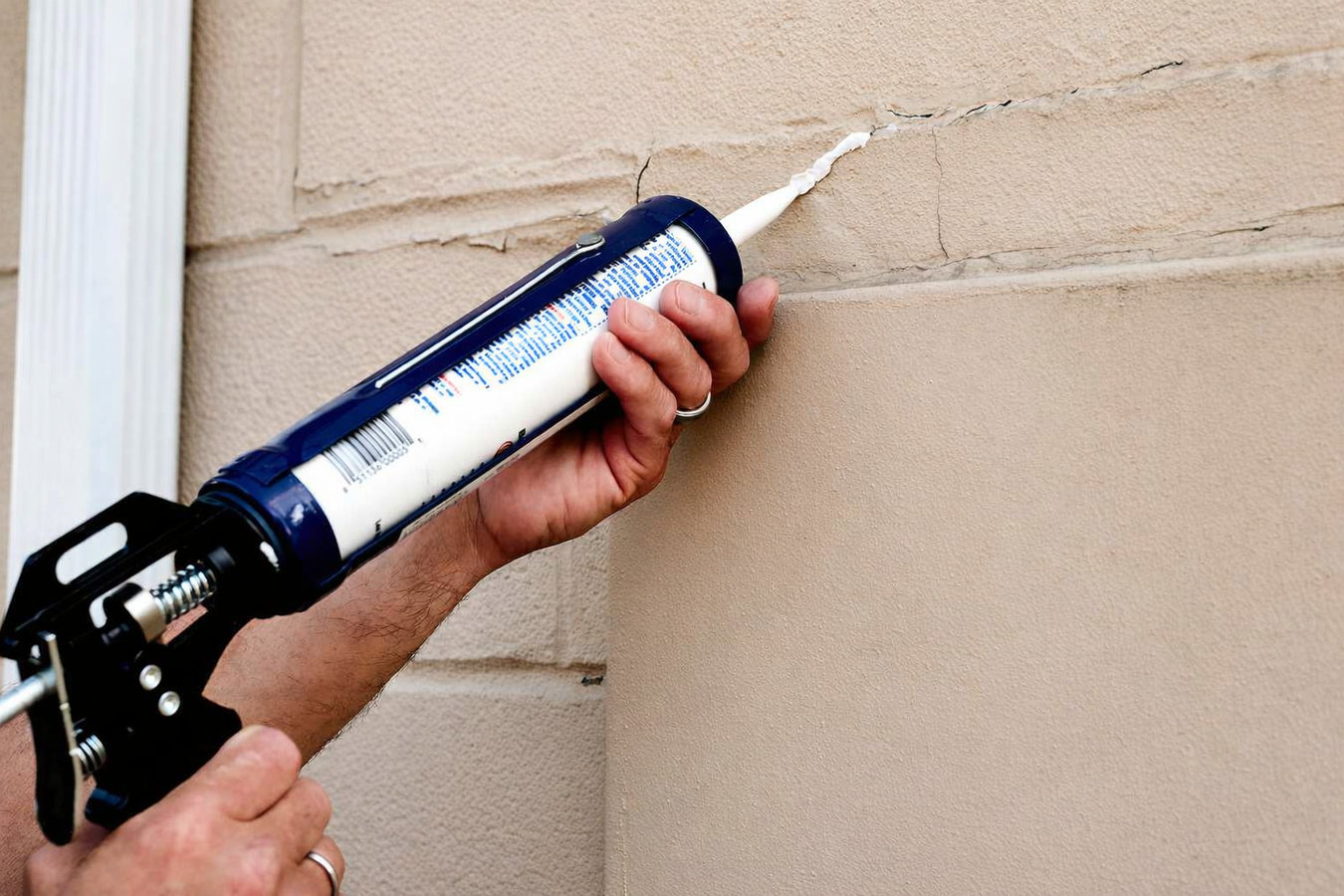
Most Sun Valley homes leak 25 to 40 percent of their heated and cooled air through invisible gaps - we find them, seal them, and prove the work with before-and-after testing.
Most Sun Valley homes leak 25 to 40 percent of their heated and cooled air through invisible gaps - we find them, seal them, and prove the work with before-and-after testing.
Air sealing in Sun Valley means finding and closing the small gaps and cracks where outside air enters your home and conditioned air escapes - most jobs on a single-family home take four to eight hours and deliver measurable results confirmed by before-and-after testing.
Sun Valley sits at roughly 4,500 feet in the high desert, where summer highs regularly push past 100 degrees Fahrenheit and winters bring hard freezes. The area's persistent dryness - only about 7 inches of rain per year - causes wood framing and drywall to shrink and pull apart over time, creating gaps that were not there when the home was built. Add in the strong seasonal winds the Truckee Meadows valley is known for, and those gaps become serious pressure points pushing hot, dusty outside air directly into your living spaces.
Air sealing addresses the root cause of drafts and uneven temperatures, not the symptoms. It works best when combined with wall insulation and attic air sealing, which together address the full thermal envelope. Insulation slows heat moving through solid surfaces; air sealing stops it from bypassing those surfaces entirely through gaps.
If your NV Energy bill climbs sharply when Sun Valley hits triple-digit summer heat or hard winter freezes, your home is working too hard to maintain temperature. A well-sealed home holds its temperature far more efficiently, so unusually high bills relative to your home's size are worth investigating before replacing HVAC equipment that may not be the actual problem.
Sun Valley gets strong seasonal winds, and if you feel noticeable air movement near electrical outlets on exterior walls, along baseboards, or around window frames when the wind picks up, air is moving through gaps. Hold a thin piece of tissue near these spots when it is windy - if it flickers, you have leaks that air sealing addresses directly.
If one room in your home is always too hot in summer or too cold in winter - even with the HVAC running and vents open - that room likely has more air leaks than the rest of the house. This is common in rooms above garages, at the ends of homes, or in spaces that share a wall with an attic. The problem is usually air infiltration, not the HVAC system.
In Sun Valley's dry, high-desert environment, a home with significant air leaks pulls in outside air continuously - and the dust and particulates that come with it. If you find yourself dusting frequently and the dust comes back quickly, especially near vents, baseboards, or exterior walls, infiltrating outside air is likely the cause. Sealing the gaps reduces how much outside air and outside dust gets in.
We start every job with a blower door test - a large fan temporarily sealed in your doorway that depressurizes the house and makes air leaks easy to find and measure. This gives us an actual number for how leaky your home is before we start work, so the improvement is measurable, not just a promise. After sealing, we run the test again and show you the before-and-after results in writing. Most of our work focuses on the attic floor, crawl space, and the areas around plumbing, electrical, and HVAC penetrations - the places that account for the majority of leakage in most Sun Valley homes. Basement insulation combined with foundation air sealing addresses another common leak path in older homes here.
For homes where the attic is the biggest problem - which is common in Sun Valley's housing stock - we also offer dedicated attic air sealing. The attic floor is where most heat escapes in winter and where superheated attic air pushes down into living spaces in summer. Sealing that boundary is often the single most impactful thing you can do for your home's energy performance. We can pair either service with insulation work to address both the gaps and the surfaces around them at the same time.
Full assessment and sealing of gaps throughout the home - attic, crawl space, walls, and all penetrations - with blower door verification.
Targeted work in the two highest-impact areas for older Sun Valley homes - ideal when you want the biggest improvement for the budget.
Seal gaps first, then add insulation on top - the correct order that delivers far better results than either service done alone.
Sun Valley's combination of extreme heat, hard freezes, persistent dryness, and strong seasonal winds makes air leakage more expensive here than in milder climates. The Reno-Sparks area averages only about 7 inches of rain per year - one of the driest metro areas in the country. That persistent dryness causes wood framing, drywall, and trim to shrink and pull away from each other over time, creating new gaps that did not exist when the home was built. Homes in Sun Valley that were built in the 1960s through 1980s - a large share of the local housing stock - were constructed before modern energy codes required attention to air sealing and often have never been professionally sealed. Homeowners throughout Stead and North Valleys deal with the same conditions and the same aging housing stock.
The strong seasonal winds the Truckee Meadows is known for - particularly in spring and fall - push outside air through gaps in your home's envelope much more aggressively than calm conditions. A gap that seems minor on a still day can cause real drafts and temperature swings when the wind picks up. NV Energy, which serves Sun Valley, runs energy efficiency rebate programs that can offset part of the cost of qualifying air sealing work. Check NV Energy's current programs before you start - a contractor familiar with the rebate process can help you document the work correctly. Federal tax credits for air sealing done as part of a qualifying home energy project are also worth reviewing at ENERGY STAR.
We respond within 1 business day. We will ask a few quick questions about your home's age, what problems you have noticed - high bills, drafts, dusty rooms - and whether you have had any energy work done before. This helps us come prepared with the right equipment and a realistic sense of what we are likely to find.
We start by placing a large fan in your doorway to depressurize the house, which makes air leaks easy to locate and measure. This test takes about 30 minutes and gives us an actual number for how leaky your home is - not a guess. You get a written estimate that covers where we will seal, what materials we will use, and the total cost.
The crew works through your attic, crawl space, and accessible wall cavities, sealing gaps with foam or caulk. Most of the work is in spaces you do not use daily - disruption to your routine is minimal. You may notice a brief smell from the foam sealant, which fades within a few hours if you open a window. Most single-family homes are done in one day.
After the work is complete, we run the blower door test again and show you the before-and-after numbers in writing. You can see exactly how much improvement was achieved - no taking our word for it. We walk you through what was done before leaving, and we recommend keeping the summary for any future rebate application or home sale documentation.
We respond within 1 business day and include a blower door assessment in every estimate visit - so you know exactly how leaky your home is before agreeing to anything. No obligation after submitting.
(775) 799-2603We measure your home's air leakage before work starts and run the test again when we are done. You get a written summary showing the before and after numbers - concrete proof that the work delivered results. This is the standard recommended by the Building Performance Institute, and it separates contractors who actually know what they are doing from those who just apply caulk and hope.
We are based in Sun Valley, not dispatched from across the metro. We know that most homes here were built in the 1960s through 1980s, that the dry high-desert climate creates gaps that did not exist at original construction, and that Washoe County handles permits - not the city of Reno. That local knowledge shows up in how we assess your home and what we recommend.
We come out, run a blower door test, and give you a written estimate at no cost - so you know the full scope and price before you commit. Our crews have years of hands-on experience with air sealing work that involves accessing attics, crawl spaces, and utility penetrations, and we document what was done when the job is complete.
NV Energy offers rebates for qualifying air sealing work, and federal tax credits may also apply. We provide written documentation of all work completed in a format that supports rebate and tax credit applications. Homeowners who try to claim rebates without proper documentation often find their application rejected - we make sure yours does not fall into that gap.
We have been sealing homes in Sun Valley and across the Reno-Sparks area since 2020. Our process is straightforward: measure first, quote in writing, seal to scope, and verify the improvement before we leave.
Pair whole-home air sealing with basement insulation to address heat loss from below the living space.
Learn MoreThe attic floor is the most impactful single location for air sealing in most Sun Valley homes.
Learn MoreSummer heat is already here - call now and we will schedule a free blower door assessment this week before your next NV Energy bill arrives.