Loading...
Serving Sun Valley, NV and surrounding areas. (775) 799-2603
Most Sun Valley homes were built before modern insulation standards. If your attic is under-insulated, your HVAC system is working twice as hard every summer and winter. A single day of work changes that.
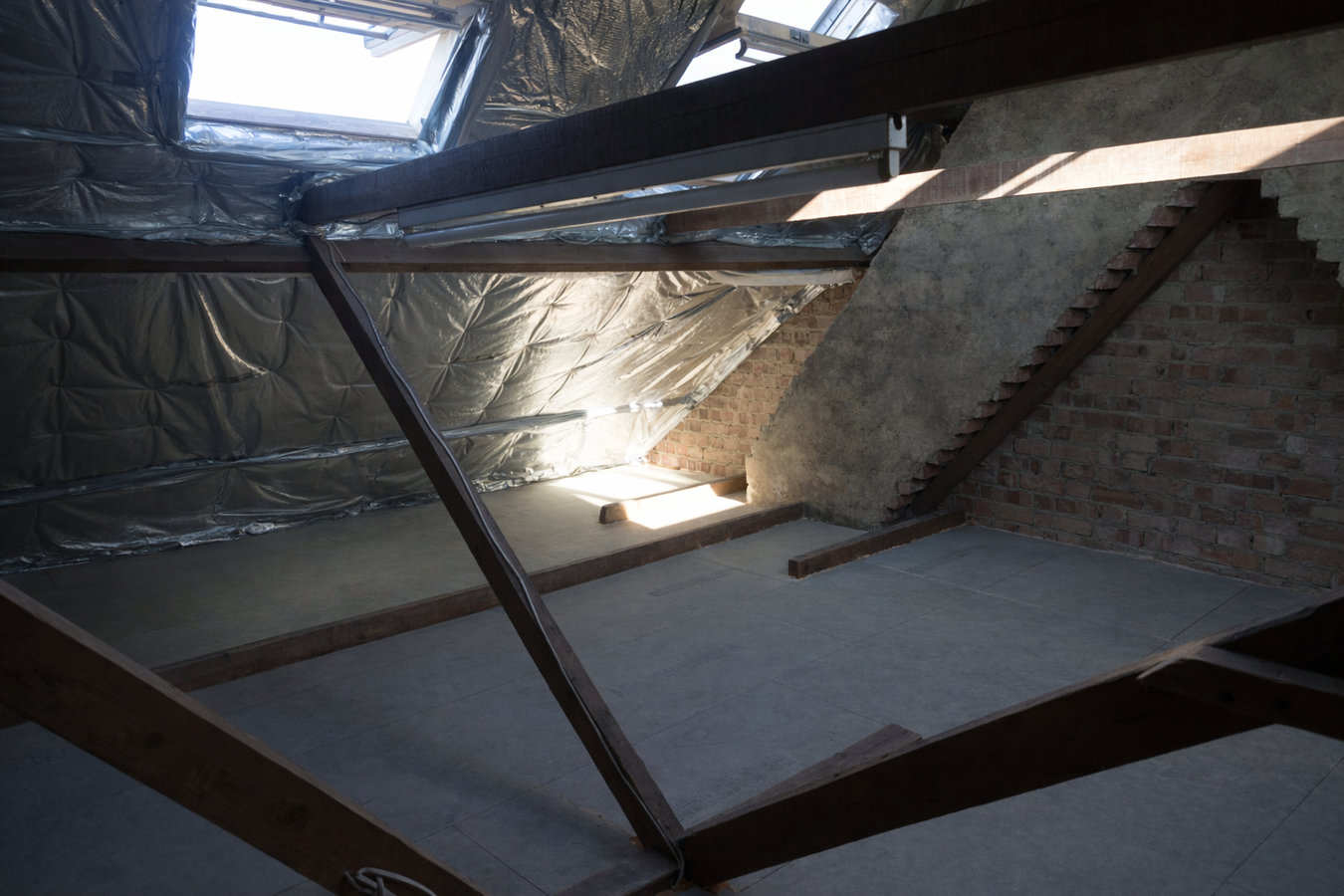
Attic insulation in Sun Valley, NV acts as a thermal barrier between your living space and the extreme desert heat or cold above - most residential installations are completed in a single day with no need to leave your home.
Sun Valley sits at roughly 4,500 feet in the high desert, where summer highs regularly push past 95 degrees and winter nights drop well below freezing. Without enough insulation overhead, your ceiling is essentially a highway for that heat to move in and out of your home. Most houses built in the 1970s and 1980s - which make up a large share of the neighborhood - were insulated to standards that made sense at the time but fall well short of what this climate demands today.
A good attic insulation job always starts with air sealing - closing the gaps around pipes, wires, and light fixtures before any new material goes in. If you are also considering blown-in insulation for walls or other areas, or want to understand the role of attic air sealing as a standalone service, both pages explain how those pieces fit together.
In Sun Valley, where summer temperatures regularly climb into the mid-to-upper 90s, a poorly insulated attic acts like a heat collector sitting directly above your living space. If your air conditioner runs constantly from June through September and your bills are still high, your attic insulation is not doing its job.
If the bedroom at the end of the hall is always stuffy in summer or cold in winter while the rest of the house feels fine, the insulation above that room may be thin, compressed, or missing. Uneven comfort from room to room is a reliable indicator that heat is moving through your ceiling in ways it should not be.
If you peek into your attic and can clearly see the wooden beams running across the floor, your insulation is almost certainly too thin. Properly insulated attics in a climate like Sun Valley's should have insulation deep enough that the joists are buried and not visible - this is a check anyone can do with a flashlight.
Water damage and pest activity are two of the most common ways attic insulation gets ruined without homeowners realizing it. Wet insulation loses most of its ability to resist heat, and rodent nesting can compress and contaminate large sections. If you have dealt with a roof repair or noticed droppings in the attic, your insulation deserves a close look.
We install blown-in loose-fill and batt insulation in attics across Sun Valley and the greater Reno area. Every job starts with a measurement and condition assessment - we note what you have, what it is doing, and what level is appropriate for your climate zone. If you need blown-in insulation to top up an existing layer quickly and economically, that is a common and effective approach for homes that are close to adequate but not quite there.
When existing insulation is water-damaged, pest-contaminated, or too compressed to perform, removal comes first - adding new material on top of damaged old insulation buries the problem rather than solving it. We also combine attic insulation work with attic air sealing for homeowners who want the maximum improvement from a single visit.
Best suited for existing attics where you want to add depth quickly, cover odd-shaped spaces, or top up insulation that is too thin without removing what is already there.
Best suited for attics with standard joist spacing and open access, or as the base layer in a new installation where batts are installed before blown-in material goes on top.
Suited for attics with water-damaged, pest-contaminated, or severely degraded material that needs to come out before new insulation can perform properly.
Suited for homeowners who want the maximum comfort and energy improvement from a single project - sealing gaps first and then adding insulation depth above them.
Sun Valley's high-desert altitude means temperature differences between day and night are more dramatic than in lower-elevation climates, which puts more stress on your home's thermal envelope. The bulk of the neighborhood's housing stock went up during a 30-year stretch from roughly 1970 to 2000 - homes that are now 25 to 55 years old. Whatever insulation was installed at that time has had decades of settling, possible pest activity, and temperature cycling to degrade it. The U.S. Department of Energy recommends attic insulation levels for high-desert climates that are significantly higher than what was standard when many of these homes were built.
We serve homeowners throughout the area, including neighboring communities where older housing stock faces the same challenges. If you are in Spanish Springs, NV or Lemmon Valley, NV, the same conditions apply and we cover both areas. NV Energy also offers rebates for qualifying insulation upgrades - worth checking before your project starts so you have the documentation ready.
When you reach out, we ask a few basic questions - your address, approximate home size, and whether you have had any recent issues like leaks or pests. We respond to all requests within one business day and can typically schedule an in-home visit within a few days.
We go into the attic to measure the space, check what is already there, and look for moisture or pest damage before new insulation goes in. This visit takes 30 to 60 minutes and results in a written estimate with a plain explanation of what we found.
Before the new material goes in, we seal gaps around pipes, wires, and fixtures in the attic floor. The blown-in installation is relatively quick - most jobs are done in a few hours and the work happens entirely in the attic with no disruption inside the home.
After installation, we invite you to see the finished attic - or show you photos - so you can confirm the coverage looks even and complete. We provide a written summary of what was installed, which is useful for energy rebates, tax credits, or a future home sale.
No pressure, no obligation - just an honest look at what your attic needs and what it will cost. We respond to all requests within one business day.
(775) 799-2603Our crews have years of hands-on experience with attic insulation on Sun Valley homes. You get a free written estimate before you sign anything, and we document the finished work so you have a clear record for rebates and resale.
We know the documentation NV Energy requires for rebate claims and make sure you leave with what you need. Between rebates and available federal tax credits, there is real money available to Sun Valley homeowners who upgrade their insulation.
Homes here need more insulation than the national average because of the wide temperature swings between summer and winter. We assess what you have now and install to the level that actually makes a difference in this climate - not just the minimum.
Unlike some projects, attic insulation requires no drying or curing time. Your home is fully functional the moment we leave, and the improvement in comfort often becomes noticeable within the first few days.
Between NV Energy rebates and federal tax credits, there is real money available to Sun Valley homeowners who upgrade their attic insulation - but only if the work is documented correctly. We handle the paperwork and make sure you have what you need. For permit questions, we know Washoe County's process - you can confirm requirements with the Washoe County Building Department directly, and we pull any required permits as part of the job.
A fast, economical way to add insulation depth to attic floors and wall cavities in existing homes without major disruption.
Learn MoreCloses gaps around pipes, wires, and fixtures in the attic floor before insulation goes in - the step most contractors skip that makes the biggest difference.
Learn MoreSummer heat is coming and installation slots fill fast. Call now or request an estimate online and we will respond within one business day.