
Loading...
Serving Sun Valley, NV and surrounding areas. (775) 799-2603
Cold floors and rising heating bills are not just uncomfortable - they are signs your basement is leaking conditioned air you are paying for. We fix that.
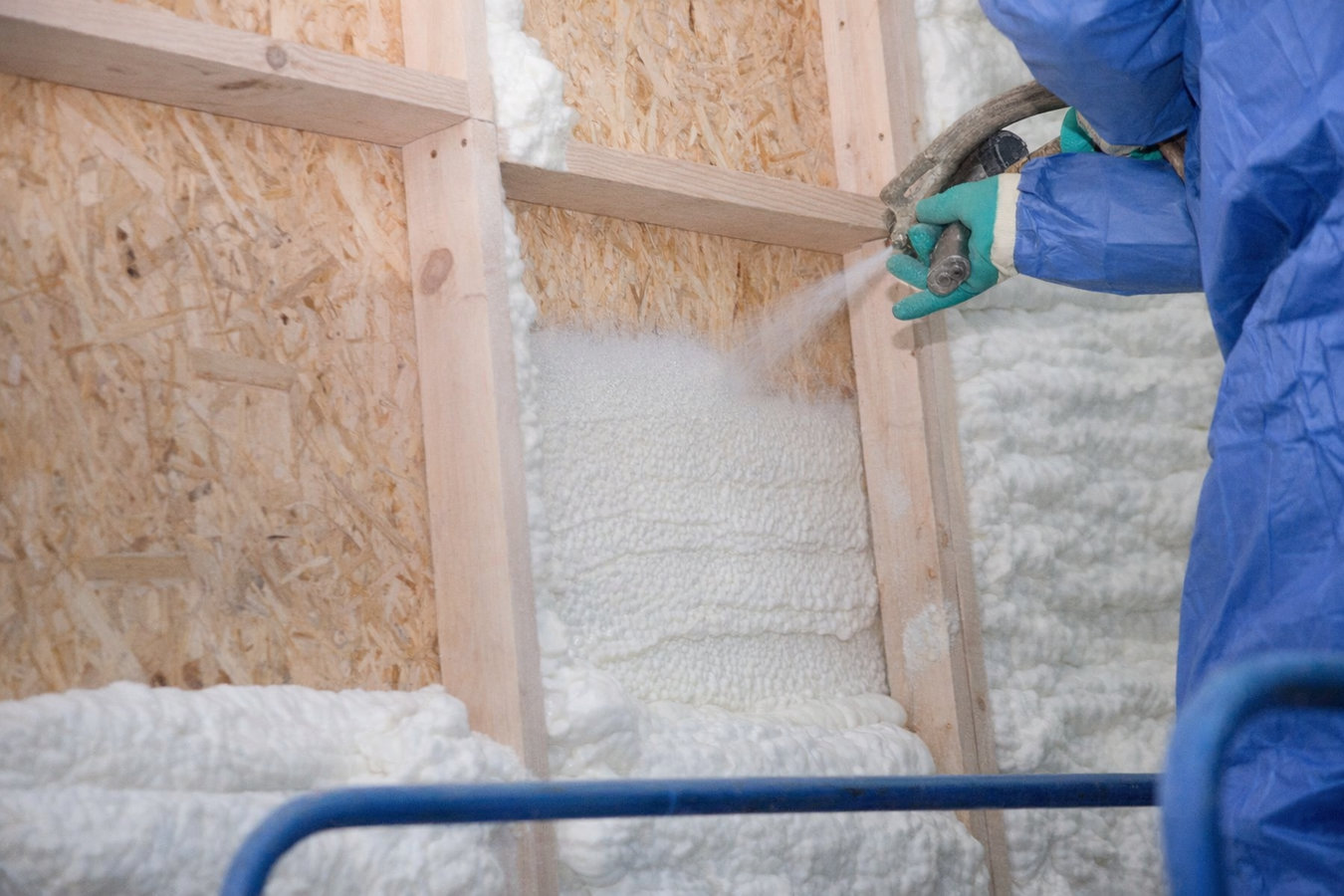
Basement insulation in Sun Valley creates a thermal barrier between the cold ground and your living space, stops conditioned air from escaping through foundation walls and the rim joist, and most jobs are completed in one to three days with no major disruption to your household.
Most homes in Sun Valley were built between the 1950s and 1990s - an era when basement insulation was minimal or nonexistent. If your floors feel cold in winter or your heating bill keeps climbing, the basement is often the culprit. Basement insulation works alongside Closed-cell foam insulation to seal both the walls and the air gaps that let heat escape at the same time.
The good news is that this is one of the more straightforward insulation upgrades you can make, and the results are noticeable within the first heating season. Call us at (775) 799-2603 and we will reply within one business day.
If the floors on your first level feel noticeably cold during Sun Valley winters, the basement below is pulling heat out of your living space. This is one of the easiest-to-notice signs that the basement is not properly insulated. It is especially common in older homes built before energy efficiency was a priority.
Sun Valley winters are cold enough that an uninsulated basement can add meaningfully to your monthly gas or electric bill. If your heating costs keep rising without a clear reason, the basement is one of the first places to investigate. An insulation contractor can assess how much conditioned air you are losing.
Cold air that enters through gaps in the rim joist - the framing at the top of your foundation - travels up and creates drafts at floor level. If you feel a chill near the baseboards on cold mornings, that is a strong signal the basement is not properly air-sealed. This is a fixable problem.
Even in Sun Valley's dry climate, late-winter snowmelt can push moisture against foundation walls. A musty smell in February or March means moisture is getting in - and any existing insulation may be trapping it against the wall. A contractor can assess whether insulation needs to be replaced and whether moisture management is needed first.
We handle basement insulation projects of all sizes - from a simple rim joist seal to a full wall-and-ceiling installation in a partially finished basement. The right approach depends on how you use the space and what is already there. We offer Closed-cell foam insulation for maximum thermal performance, and for homeowners dealing with standing moisture concerns, we pair basement work with Crawl space insulation to address the full lower-level envelope at once.
Every basement insulation job we do includes the rim joist - the band of framing at the top of your foundation that is one of the most common sources of heat loss in older Sun Valley homes. Many contractors skip it or treat it as an add-on. We seal it as a standard part of the work.
Suits finished or partially finished basements where framing is already in place.
Ideal for any basement - seals the most common air-leak point at the top of the foundation wall.
Works well on unfinished basement walls, especially around pipes and irregular surfaces.
Suits homes with little or no existing insulation - walls, rim joist, and ceiling in one scope of work.
Sun Valley sits at roughly 4,500 feet in the high desert of Washoe County, and homes here deal with wide temperature swings - summer days pushing past 100 degrees and winter nights dropping well below freezing. That range puts constant stress on any uninsulated basement. The heating season in Sun Valley can run from October through April, which means six or more months of your gas or electric bill being directly affected by how well your basement holds heat. The payback period on a basement insulation investment is faster here than in milder climates, because the temperature differential is significant and the season is long. You can verify this with resources from the U.S. Department of Energy.
Sun Valley's dry climate reduces the risk of chronic moisture problems, but it does not eliminate them - late-winter snowmelt can still push water against foundation walls on sloped lots. Homeowners near Lemmon Valley, NV and those closer to Cold Springs, NV often see this pattern, where seasonal snowmelt from higher ground reaches foundations before draining away. A pre-installation moisture check is standard on every job we do.
When you reach out, we will ask a few basic questions about your basement size and whether you have noticed any moisture or pest issues. Most homeowners in Sun Valley can get an in-home visit scheduled within a few days. There is no obligation for the assessment.
We walk through your basement, check the walls, rim joist, and any existing insulation, and look for moisture or pest damage. After the walkthrough you get a written estimate that explains what we recommend and why - no vague quotes, no pressure to sign on the spot.
The crew arrives with materials and equipment and gets to work sealing and insulating the areas identified in the estimate. Most jobs are completed in one day. If spray foam is used, we will ask you to keep windows open on the main floor - the odor clears within a few hours.
Once the work is done, we walk you through the finished job and point out everything that was done - especially the rim joist, which is easy to miss. You should see consistent coverage with no bare spots before you sign off.
We reply within one business day. Free estimates, no obligation.
(775) 799-2603We give you a written estimate before we set foot in your home, so you know the full scope and price up front. That clarity does not disappear once the job is done - we document what was installed for your records.
The rim joist - the framing at the very top of your foundation - is the single most common source of basement air leaks. We treat it as a standard part of every basement insulation scope, not an add-on.
We work in Sun Valley and the surrounding Reno-Sparks area regularly and understand the housing stock - most of it built between the 1950s and 1990s with little original insulation. We know what these homes need.
We check for signs of seasonal moisture before any insulation goes in. Trapping moisture behind insulation creates mold problems that are far more expensive to fix than the insulation itself. If we see a water issue, we tell you before we start.
Every one of these commitments is spelled out before you hire us. You get the full scope and price in a written estimate, and we will walk you through every part of the finished job before you sign off. That is the standard we hold ourselves to on every basement insulation project in Sun Valley.
The highest R-value per inch of any insulation type - pairs naturally with basement wall work to seal gaps and insulate in one step.
Learn MoreAddresses moisture and cold-air transfer through the floor of your home when the space below is unheated or semi-conditioned.
Learn MoreCall us today or submit a free estimate request - we reply within one business day and serve all of Sun Valley and the surrounding Reno-Sparks area.